

Journeys through hardship and resilience
Explore the personal stories of Native children in American Indian boarding schools. Discover the challenges they faced, the cultures they fought to preserve, and the enduring spirit that shaped their lives. This page sheds light on an essential chapter of history.

Life inside the boarding schools
For many Native children, attending boarding school meant being separated from their families, communities, and cultural traditions. Many children were taken hundreds of miles away from home and had limited contact with their relatives (Child). Upon arrival, students were often given English names, required to cut their hair, and forced to wear uniforms. Native languages and cultural practices were frequently prohibited, and students could face punishment for maintaining their traditions (Adams). Students followed strict schedules that included classroom education, religious instruction, and manual labor. While some students gained academic or vocational skills, many also experienced loneliness, cultural loss, and emotional hardship (Trafzer, Keller, and Sisquoc). Native survivor stories are important because they show that boarding school history is not only about government policies but also about the personal experiences of children and families.
Lasting impacts on lives and identities
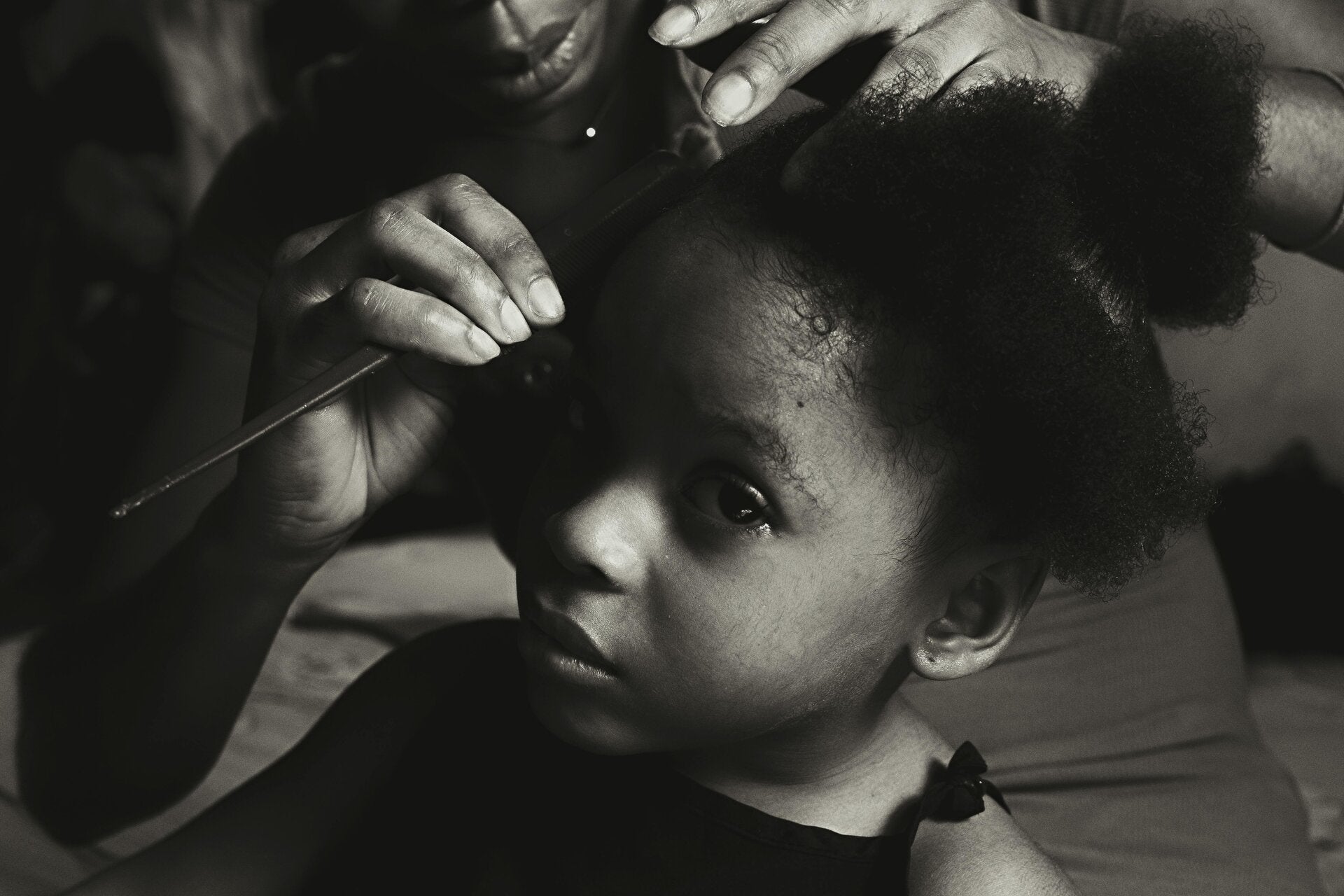
The experiences Native children had at boarding schools affected them both immediately and throughout the rest of their lives. In the short term, many children experienced separation from their families, loss of their languages, and pressure to abandon their traditions. Many students were punished for speaking their Native languages, practicing their religions, or following cultural customs. They were often forced to change their clothing, hairstyles, and names to make them appear more like mainstream American children. This caused many students to feel isolated, confused, and disconnected from their families and communities. Over time, the effects continued into adulthood. Many former students struggled with the loss of their cultural identity and had difficulty reconnecting with traditions they had been forced to leave behind. The boarding school system contributed to the decline of many Native languages and cultural practices because children were prevented from learning them during their formative years.
Cultural erasure and student resistance
Boarding schools attempted to erase Native cultures by forcing students to give up their languages, traditions, and identities. Children were often taken far away from their families and communities so they could not continue practicing their cultures. At many schools, students were punished for speaking their Native languages or practicing traditional beliefs. They were required to cut their hair, wear American-style clothing, use English names, follow Christian teachings, and learn skills based on European American customs. These actions were meant to replace Native identities with the culture that government officials considered “American.” Despite these efforts, many students resisted and found ways to keep their traditions alive. Some secretly spoke their Native languages with other students, shared stories, practiced cultural traditions when they could, and maintained connections with family members through letters or visits. Students also supported each other by creating friendships and bonds that helped preserve their cultural heritage.
Why this history matters today
It is important for people today to understand what Native students went through in boarding schools because it helps us recognize the lasting effects of these policies on Native communities. Learning about these experiences shows how government actions can harm cultures, families, and identities when people are forced to abandon their traditions. Understanding this history also helps explain why many Native communities continue working to restore their languages, protect their traditions, and heal from the damage caused by assimilation efforts. Remembering the experiences of boarding school survivors honors the children who were affected and makes sure their stories are not forgotten. It also encourages greater respect for Native cultures and helps people understand the importance of protecting cultural diversity. By studying this history, society can learn from past mistakes and support a future where Indigenous peoples are treated with respect and their cultures are valued.
Create Your Own Website With Webador