

The Creation of American Indian Boarding Schools
The Cultural Shift of Native Peoples in the Late 1800s
During the late 1800s, many United States government officials believed that Native peoples should abandon their traditional cultures, languages, and ways of life in order to adopt mainstream American customs. This belief was based on the idea that Native Americans were somehow inferior and that their assimilation into European-American society would lead to a more civilized and prosperous existence. Policies were enacted to encourage this assimilation, including the establishment of Indian boarding schools where Native children were separated from their families and taught to speak English and adopt Western customs. The intent was to erase Native identities and integrate these communities into the dominant culture. However, this approach disregarded the rich histories, languages, and traditions of Native peoples, leading to significant cultural loss and trauma. Many Native communities resisted these changes, striving to preserve their identities despite the pressures to conform. This period marked a critical chapter in the ongoing struggle for Native rights and cultural survival, highlighting the resilience of Indigenous peoples in the face of systemic oppression.

The Carlisle Indian Industrial School: A Historical Overview
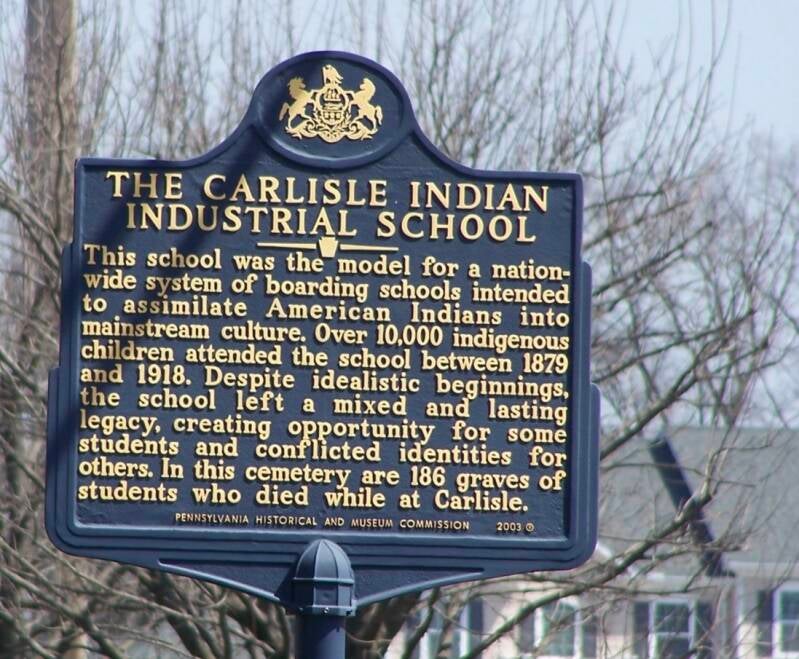
One of the most well-known examples of the government’s assimilation policies towards Native Americans was the Carlisle Indian Industrial School. Founded in 1879 by Richard Henry Pratt in Carlisle, Pennsylvania, this institution aimed to educate Native American children in a manner that aligned with Euro-American values. The school was notable for its emphasis on vocational training and English language instruction, which were seen as essential for integrating Native Americans into mainstream American society. Carlisle became a model for many other government-funded boarding schools established across the United States, reflecting the broader efforts to assimilate Indigenous peoples. While the school was intended to provide opportunities, it also faced criticism for its role in stripping away Native cultures and identities. Ultimately, Carlisle's legacy is a complex one, serving as both a symbol of education and a reminder of the painful history of cultural erasure.
Understanding the Role of Boarding Schools in Native Education
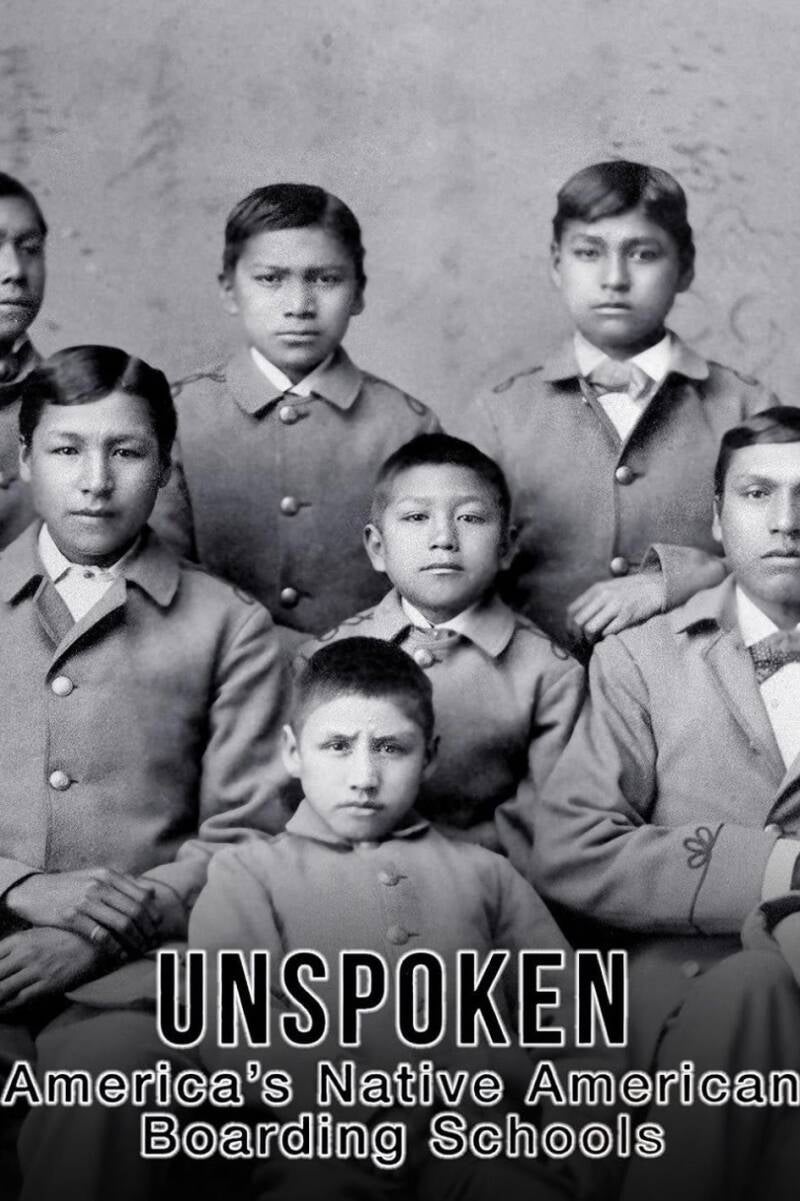
Although boarding schools were frequently presented by government officials as educational institutions that offered Native children new opportunities, their primary purpose was cultural assimilation. Many students experienced separation from their families and communities, which had profound effects on their identity and well-being. These schools aimed to erase Indigenous cultures and languages, replacing them with Euro-American values and practices. This approach not only disrupted familial bonds but also led to a loss of cultural heritage for many Native children. The promise of education was often overshadowed by the harsh realities of forced assimilation, where children were punished for speaking their native languages and were expected to adopt a completely new way of life. This historical context highlights the complex legacy of boarding schools and their impact on Native communities, emphasizing the need for understanding and reconciliation today.
The Lasting Impacts of the Boarding School System
The effects of the boarding school system continued long after many schools closed. Survivors and their descendants have described the lasting impacts of cultural loss, including the decline of Native languages and disruptions to traditional practices. At the core of this issue is the forced assimilation that many Indigenous children faced, which aimed to erase their cultural identities. This systematic approach not only stripped away their languages but also disrupted family structures and community bonds. As a result, many Native communities have struggled to reclaim their cultural heritage and restore traditional practices that were once vibrant. The decline of Native languages is particularly alarming, as language is a critical vessel for culture and identity. Efforts are now underway in various communities to revive these languages and teach them to younger generations, fostering a sense of pride and connection to their roots. However, the journey toward healing is complex and ongoing, as the scars of the past continue to affect relationships and community dynamics. Understanding these lasting impacts is crucial for fostering reconciliation and supporting Indigenous communities in their efforts to revitalize their cultures.

Create Your Own Website With Webador